Preconception Planning
Preparing for pregnancy is one of the most empowering and impactful steps you can take - whether you’re trying naturally, exploring donor options, or planning IVF. The months before conception represent a powerful window to optimise your reproductive health, support egg and sperm quality, improve implantation, and enhance pregnancy outcomes. I aim to guide individuals and couples through every stage of fertility care - from preconception to pregnancy - with science, compassion, and evidence-based care.
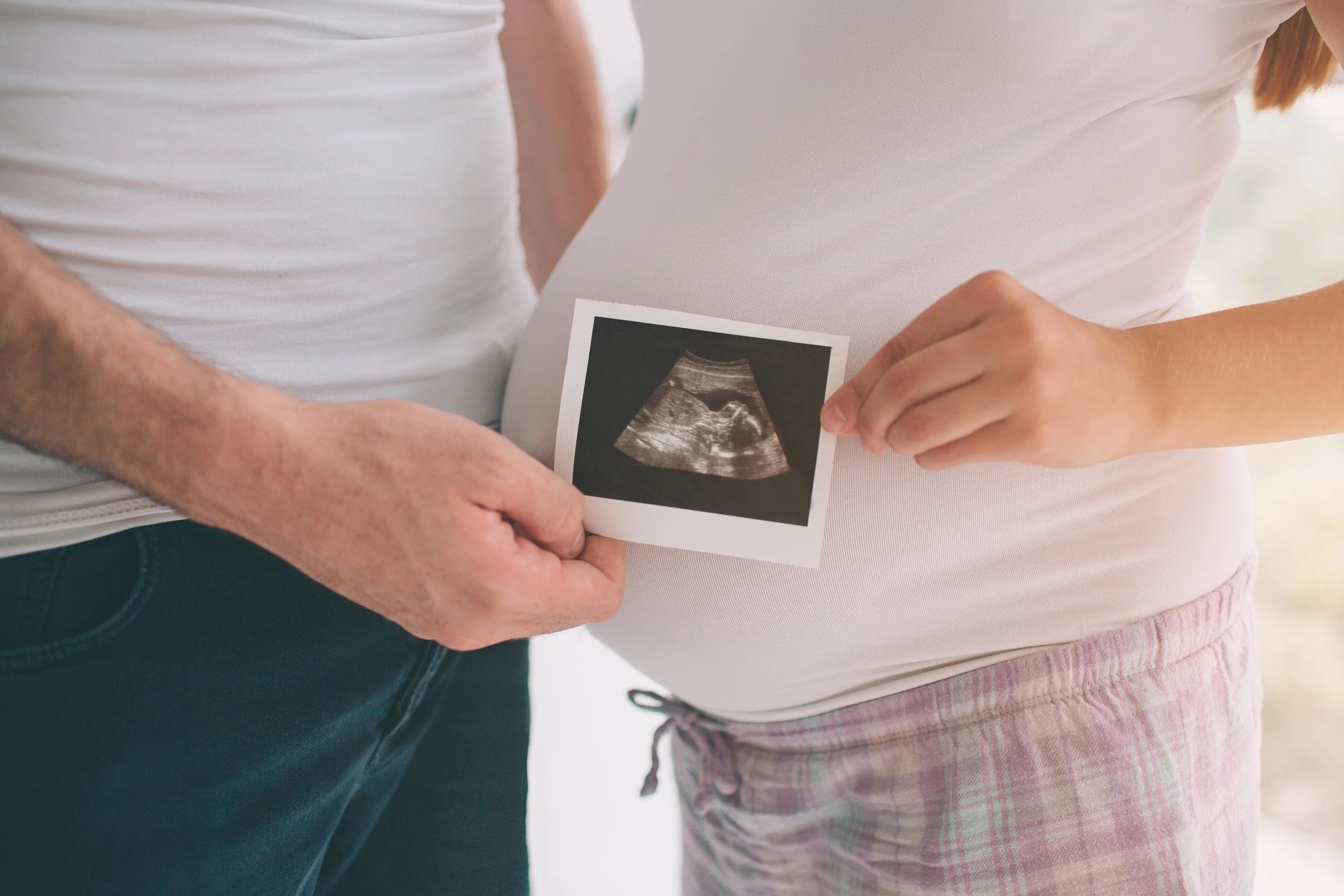

“Preconception planning isn’t about predicting the future, it’s about giving it the best possible start. It’s a chance to understand your body, support your health, and create the conditions that help your future family thrive.”
Why Preconception Planning Matters
Your health before conception influences:
Ease of conceiving
Ovulation and sperm function
Implantation and embryo development
Pregnancy outcomes such as miscarriage, pre-eclampsia, and gestational diabetes
The 3–6 months prior to conception are particularly important for:
Improving egg and sperm quality
Balancing hormones
Creating a healthy uterine environment
Supporting early placental development
Small, targeted changes can create meaningful improvements in fertility for both partners.
Preconception Health Check
For Women
A preconception review includes:
Cycle length, ovulation patterns, menstrual regularity
Consider specific causes of fertility delay such as issues with ovulation, tubal function, uterine anomalies (polyps, fibroids), hormonal and genetic imbalances.
Past pregnancies or fertility treatments
Medical conditions:
PCOS
Thyroid disease
Endometriosis
Diabetes
Autoimmune conditions
Medication review
Immunity screening: rubella, varicella, hepatitis B, C, HIV
Ensuring chronic conditions are optimised
Baseline fertility testing if appropriate (AMH, hormones, ultrasound)
For Men
Male factors contribute to 40–50% of fertility challenges.
A preconception check involves:
Semen analysis (simple, inexpensive, high value)
General health assessment
Review of lifestyle factors
Screening for conditions such as varicocele or hormonal imbalance
Reviewing workplace exposures (heat, chemicals, solvents)
Consider testicular, ejaculatory and genetic concerns.
Start Prenatal Supplements Early
For Women
Begin at least 1 month before conception.
Folic acid 400–500 µg daily (Higher dose for elevated BMI, diabetes, epilepsy, or increased NTD risk)
Iodine 150 µg daily
Vitamin D, iron, B12, omega-3
Consider:
CoQ10 for mitochondrial support
Probiotics for vaginal and gut microbiome balance
For Men
Evidence supports supplements such as:
Zinc
Selenium
CoQ10
Vitamins C & E
Omega-3 fatty acids
L-carnitine
These can improve sperm motility, morphology, and DNA integrity.
Lifestyle Optimisation
Nutrition
A Mediterranean-style diet supports fertility in both men and women, it improves:
Ovulation rates
Sperm motility and DNA integrity
Implantation and pregnancy outcomes
Focus on:
Colourful vegetables, whole grains, olive oil, legumes, fish, nuts
Minimising refined and ultra-processed foods
Weight and Metabolic Health
Both underweight and overweight ranges can disrupt fertility.
BMI >30: impaired ovulation, reduced sperm quality, increased pregnancy risks
BMI <18.5: suppressed ovulation and hormonal disruption
Optimising metabolic health - including insulin resistance, blood pressure, and lipids — is central to preconception care.
Exercise and Movement
Aim for 150 minutes per week of moderate exercise plus strength training.
Excessive endurance exercise may:
Suppress ovulation in women
Reduce testosterone and sperm production in men
We tailor guidance if you are an athlete or highly active.
Alcohol, Smoking, Vaping, Caffeine
Avoid smoking and vaping entirely
Limit alcohol to <5 drinks/week
Keep caffeine <200 mg/day (~1-2 small coffees)
Sleep, Stress, and Travel
Chronic stress and poor sleep interfere with hormonal rhythms and reproductive function. Helpful strategies:
Mindfulness, meditation, yoga
Cognitive behavioural therapy
Consistent sleep routine with 7-8 hours nightly
Travel may cause temporary cycle changes (traveller’s amenorrhoea) due to melatonin disruption and altered routines.
Environmental Toxins
Reduce exposure to endocrine disruptors such as BPA, phthalates, and pesticides. Practical steps:
Use stainless steel or glass containers
Avoid microwaving plastics
Choose low-tox skincare and cleaning products
For men: avoid prolonged high-heat exposure; use PPE around chemicals or solvents
Understanding Ovulation Timing
Natural conception relies on timing the fertile window:
The fertile window = the 5 days before ovulation + ovulation day
The egg lives 12-24 hours
Sperm live up to 5 days
Ovulation occurs 24-36 hours after the LH surge
Ovulation tracking options include:
Cycle charting
LH urine kits
Ultrasound tracking
Mid-luteal progesterone