Where to start
Beginning your fertility journey can feel overwhelming, but understanding the first steps makes it far less daunting. Whether you’re just starting to try, have been trying for some time, or want clarity about your reproductive health, knowing where to start is key. From cycle tracking and basic investigations to understanding your fertility timeline, these steps provide clarity, reassurance, and direction. I’m here to guide you with compassionate, evidence-based care, helping you feel informed, empowered, and ready for whatever comes next.

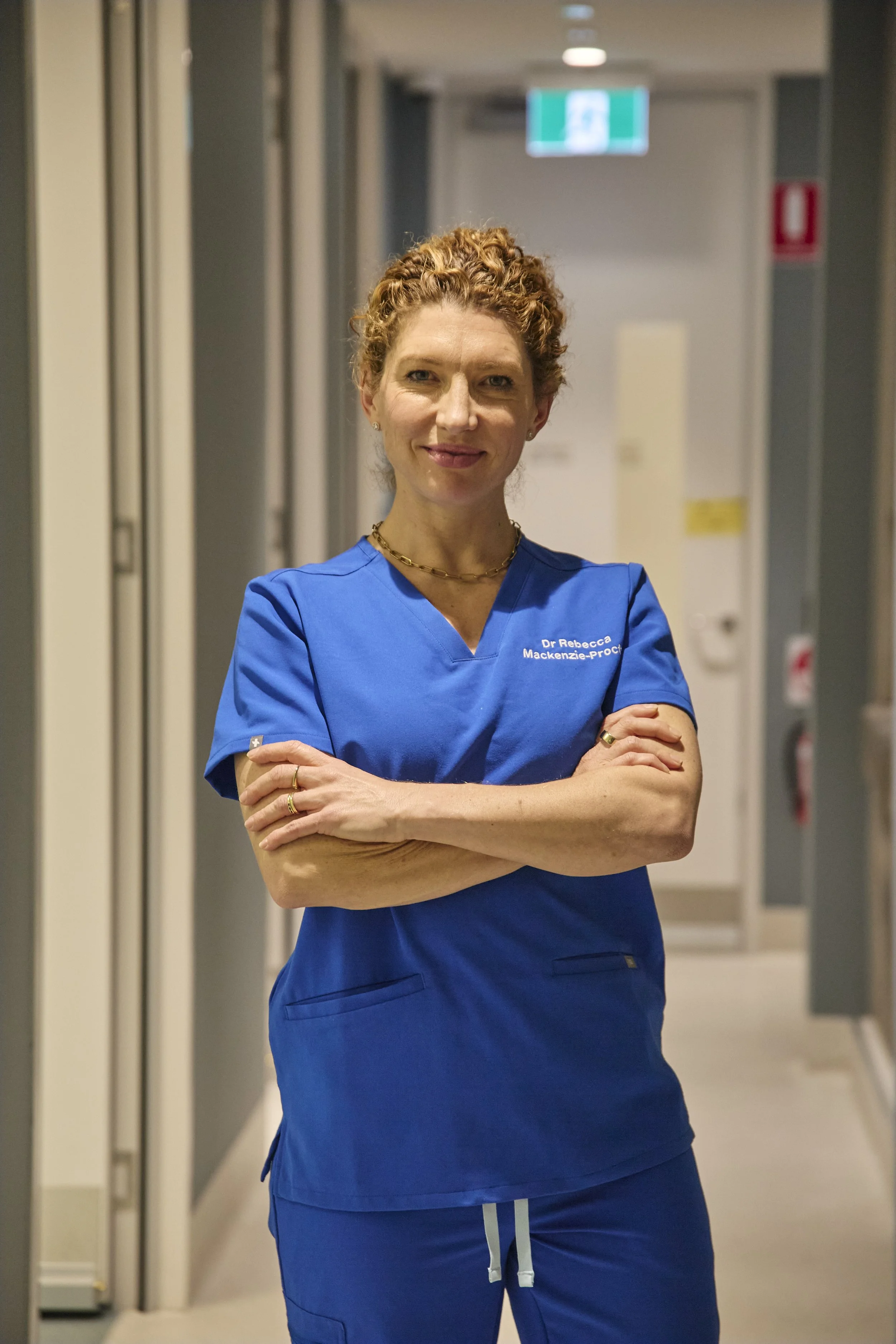
“The first step doesn’t need to be overwhelming, it’s simply about understanding your body, your options, and the possibilities ahead.”
Thinking about starting a family?
Whether you’re just beginning to think about pregnancy, actively trying, or simply want to understand your options for the future, it’s completely normal to feel a mix of excitement and uncertainty.
As a CREI (subspecialist in Reproductive Endocrinology & Infertility) trained specialist, my role is to help you understand your fertility, reduce the guesswork, and plan a path that feels right for you-whether you’re:
An individual or couple planning a pregnancy “soon”
In a same-sex relationship or using a known donor
A single parent by choice
Wanting to protect your future fertility (e.g. egg, sperm or embryo freezing)
If this feels like the moment to learn more, I welcome you to connect with me, ask what’s on your mind, and start shaping your future family with support and evidence-based care.
Understand the basics of fertility
Fertility is more than just “trying at the right time.” It reflects:
Egg health & number (ovarian reserve)
Sperm quality and count
Hormonal balance and ovulation
Anatomy (fallopian tubes, uterus, cervix)
General health (thyroid, weight, nutrition, medications, lifestyle)
Age is an important factor, particularly for egg quantity and quality-but it’s one piece of the puzzle, not the whole story. Good information early gives you more choices and less pressure later.
Decide what you need right now
Different people come to see me at different stages. You might want:
Reassurance and a “fertility check”
“We’re not ready just yet, but we don’t want to leave it too late.”Help with getting pregnant
“We’ve been trying and nothing is happening.”A plan for future family building
“I’m not ready for a baby, but I’d like to freeze eggs or sperm.”Support for a known medical condition
“I have PCOS/endometriosis/low sperm count and want to know what that means.”
Whatever your situation, starting with a clear question (or a list of them) helps shape the first consultation.
Preconception health: what you can do now
Even before you start trying, there are simple steps that can improve your fertility and pregnancy outcomes.
For women / people with ovaries
Track your cycle: note length, symptoms, and any irregular bleeding or severe pain.
Start a prenatal vitamin with folic acid (and iodine as per Australian guidelines).
Optimise medical conditions such as thyroid issues, diabetes, coeliac disease, or autoimmune conditions.
Review medications and supplements with a doctor, especially if you’re on long-term or specialist treatments.
Lifestyle:
Aim for a stable, healthy weight (both under- and overweight can affect hormones).
Limit alcohol, stop smoking and vaping, minimise recreational drugs.
Prioritise sleep, movement, and stress management.
For men / people with testes
Sperm health matters just as much as egg health.
General health check: blood pressure, weight, chronic conditions.
Stop smoking and vaping; minimise excessive alcohol and recreational drugs.
Protect testicular health: avoid extreme heat exposure (e.g. frequent spa/sauna use), and seek review if there is pain, swelling, or a history of undescended testes.
Nutrition and movement support hormone regulation and sperm quality.
Small, realistic changes over 3–6 months can make a meaningful difference to both egg and sperm quality.
When should you see a fertility specialist?
You don’t have to wait until you’ve “tried everything” or feel completely overwhelmed. General guidance:
If you’re under 35
Trying to conceive for 12 months without success
Or earlier if you have irregular periods, known PCOS, endometriosis, or a partner with known sperm issues
If you’re 35–39
Trying to conceive for 6 months without success
Or sooner if you have any fertility-related concerns or conditions
If you’re 40 or older
It’s reasonable to see a fertility specialist before or as soon as you start trying, to understand your timeframe and options.
See a specialist straight away if:
You have very irregular, very heavy, or very painful periods
You’ve had previous pelvic surgery, severe endometriosis, or pelvic inflammatory disease
You’ve had chemotherapy, radiotherapy, or significant medical treatments that might affect fertility
You’re a same-sex couple, trans or gender diverse, or a single person planning donor conception
You’re considering egg or sperm freezing for future family building
You’ve had two or more miscarriages or recurrent implantation failure with IVF
Early specialist input is about information and planning, not rushing you into treatment.
Your first fertility appointment
A first consultation is usually a detailed, but low-pressure, conversation. I’ll typically cover:
Your story so far
How long you’ve been trying (if relevant)
Menstrual history, pregnancies, miscarriages
Past medical and surgical history
Family history (e.g. early menopause, genetic conditions, clotting or endocrine disorders)
Lifestyle and work factors
Shift work, intense sport, high-stress roles, nutrition patterns, sleep
Your goals and priorities
How many children you’d like, and how this fits with study, work, or life plans
How you feel about different treatment options (e.g. “as natural as possible” vs “I want to move quickly”)
From there we create a tailored plan, which might be as simple as a few tests and reassurance, or a stepwise path from natural conception support through to assisted reproductive treatment if required.
Tests you might be offered
Not everyone needs all of these, but common first-line tests include:
For women
Hormone blood tests
Ovarian reserve (e.g. AMH)
Ovulation and general hormone balance (FSH, LH, oestradiol, progesterone, thyroid function, prolactin and others if indicated). FSH and oestradiol are best done on the 2nd or 3rd fay of your cycle.
Pelvic ultrasound
Assessment of ovaries (antral follicle count), uterus, and any fibroids, polyps, ovarian cysts or features of PCOS.
Tubal patency assessment
A dye test (e.g. hysterosalpingogram or HyCoSy) to check whether fallopian tubes are open, if indicated.
For men
Semen analysis
Sperm count, motility, morphology, and other parameters
Sometimes additional tests like DNA fragmentation in specific scenarios
Additional tests
Genetic screening - karyotype, carrier screening (3 screen or extended screen),
Thrombophilia screening
Advanced endocrine or immunological/thrombophillic work-up are considered on a case-by-case basis.
Ensure screening assessments are up-to-date - Check cervical pap smear, STI screen.
Possible next steps
The aim is not to skip straight to IVF. Instead, we match treatment to your situation, diagnosis, and timeline.
Depending on your results and goals, options may include:
Optimised natural conception
Cycle tracking with timed intercourse
Correcting underlying issues (thyroid, prolactin, weight, endometriosis, etc.)
Preconception supplements and lifestyle support
Ovulation induction
Tablets or injections to support or trigger ovulation in conditions such as PCOS or oligo-ovulation
Intrauterine insemination (IUI)
Washed sperm placed directly into the uterus at the time of ovulation
Often used for mild male factor, cervical factor or donor sperm
In vitro fertilisation (IVF)
Eggs collected from the ovaries, fertilised with sperm in the lab, and one embryo transferred to the uterus
Helpful when there are significant tubal issues, lower sperm counts, or when other approaches haven’t succeeded
Donor conception
Donor sperm, donor eggs, or donor embryos, using identity-release donors in line with state legislation
Fertility preservation
Egg, sperm, or embryo freezing for medical or personal reasons
Every plan is personalised and usually progresses stepwise - starting with the least invasive options that are likely to be effective for you.
My approach to your care
As a CREI trained subspecialist, my practice focuses on:
Evidence-based care
I draw on international guidelines and the latest research, balanced with real-world clinical experience.Individualised planning
Age, diagnosis, personal values, cultural background, and long-term family goals all matter.Holistic support
Nutrition, exercise, mental health, sleep, and the emotional load of fertility treatment are part of your care - not an afterthought.Clear communication
I’ll explain your test results and options in plain language, with time for questions and second thoughts
You should leave your appointment with a clear understanding of where things stand now, what your options are, and what the next step will be - whether that’s simple lifestyle changes, further testing, or a specific treatment plan.
How to get started
If you’re thinking, “I don’t know if it’s ‘serious enough’ to see a specialist,” that’s often the best time to come.
Your next steps might be:
Book a preconception or fertility planning consultation - even if you’re not ready to start trying immediately.
Gather relevant information - past test results, operation reports, and a summary of any chronic medical conditions.
Write down your questions - about timing, treatment options, success rates, costs, family size, or anything else on your mind.
You don’t have to have it all figured out before you walk through the door - that’s what I’m here for.