Surgery: Laparoscopy, Hysteroscopy, PRP
Surgical care can be an important step in diagnosing and treating reproductive or fertility concerns when closer assessment is needed. Procedures such as laparoscopy, hysteroscopy, and PRP therapy allow us to address conditions like endometriosis, fibroids, polyps, pelvic pain, and implantation issues with precision and minimal disruption. Using minimally invasive techniques, my aim is to restore clarity, improve function, and support your comfort, wellbeing, and future fertility - while ensuring you feel informed, supported, and confident throughout.
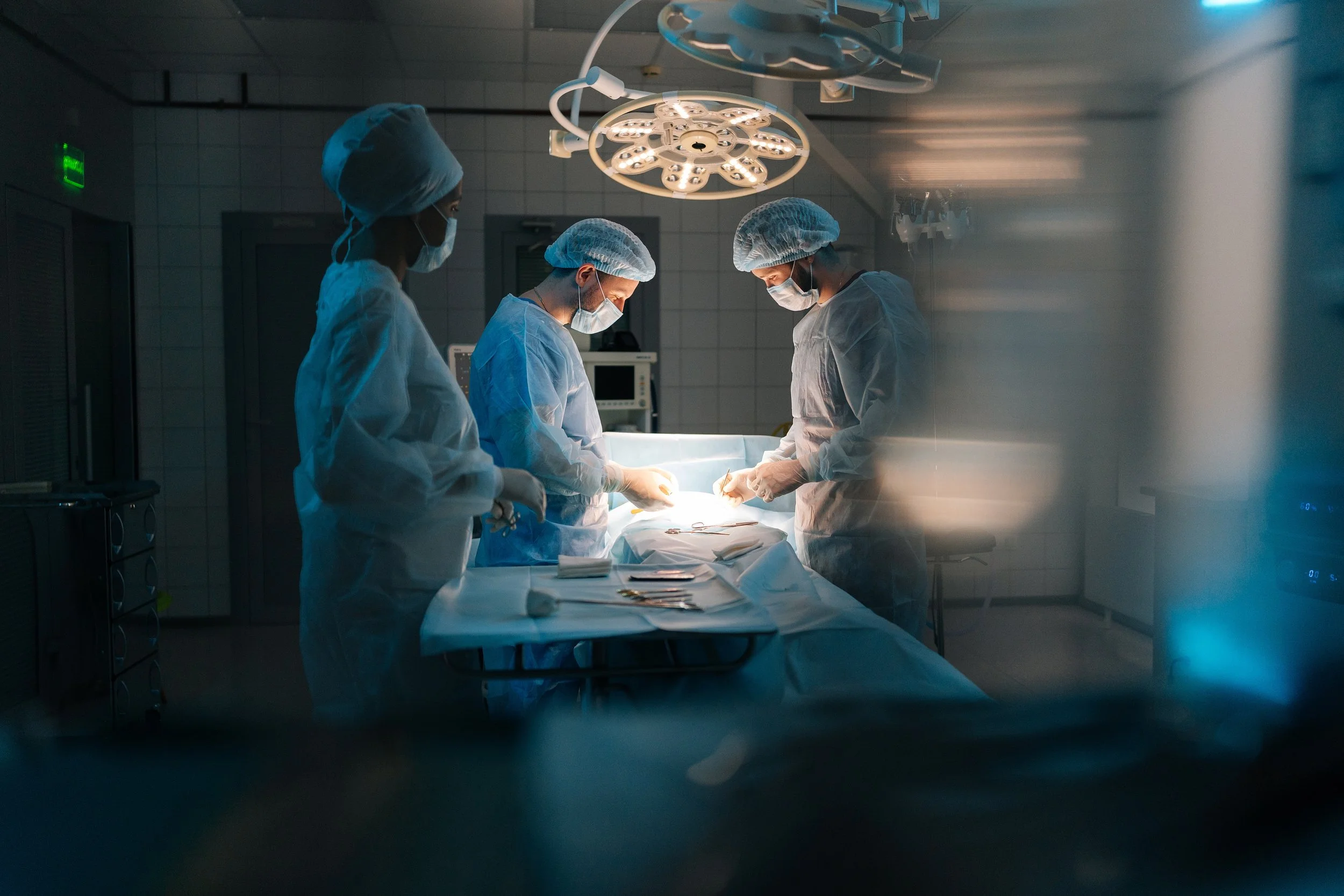

“With the right surgical approach, you’re not just addressing a problem - you’re giving your body the chance to function, heal, and thrive.”
Minimally Invasive Gynaecology Surgery
Minimally invasive gynaecology surgery offers precision, faster recovery, and improved long-term pelvic health. Using advanced laparoscopic and hysteroscopic techniques, modern surgery can diagnose and treat conditions affecting fertility, menstrual function and pelvic pain with minimal disruption and optimal outcomes.
Dr Rebecca Mackenzie-Proctor is an experienced laparoscopic surgeon. Her approach integrates surgical excellence, reproductive expertise and holistic decision-making to ensure patients receive high-quality, personalised care. She has extensive surgical training across Australia and New Zealand, including tertiary-level CREI fellowship training at the Royal Women’s Hospital Melbourne. This provides a level of expertise in:
Advanced laparoscopic endometriosis excision
Ovarian and tubal surgery
Surgical management of fibroids and uterine abnormalities
Fertility-enhancing procedures
Early reproductive anatomical assessment
Her experience spans both public and private hospitals, allowing her to perform complex surgery with the rigour of tertiary-level standards.
A Deliberate, Individualised Approach
Dr Rebecca Mackenzie-Proctor’s surgical philosophy is grounded in four key principles:
Evidence-Based Decision-Making
Surgery is recommended only when it offers a clear clinical benefit. Decisions are aligned with RANZCOG, ESHRE, ASRM and AAGL guidelines.
Precision and Reproductive Preservation
As a fertility specialist, she prioritises:
ovarian tissue preservation
minimising adhesion formation
maintaining tubal function when appropriate
optimising the pelvic environment for future embryo implantation
Whole-Person Care
Surgery is integrated with:
Hormonal therapies
Physiotherapy
Nutritional support
Fertility planning
Long-term symptom management
This ensures patients feel supported before, during and after surgery.
Clarity, Communication & Consent
Patients are provided with clear explanations, diagrams, imaging review and realistic expectations. Shared decision-making is central.
Laparoscopy
Laparoscopic (keyhole) surgery uses small incisions, fine instruments and a camera to treat a range of gynaecological concerns with minimal postoperative impact.
Conditions Treated:
Endometriosis [Make a hyperlink to the endometriosis page] excision
Ovarian cysts and endometriomas
Fibroids (selected intramural/subserosal fibroids)
Adhesions
Hydrosalpinx or fallopian tube obstruction
Chronic pelvic pain
Ectopic pregnancy
Fertility assessment and tubal patency testing
Benefits of Laparoscopic Surgery:
Smaller incisions and improved cosmetic result
Less postoperative pain
Faster recovery and early mobilisation
Lower adhesion risk compared to open surgery
Superior visualisation of pelvic structures
Endometriosis Excision Surgery
Excision is considered the gold-standard surgical approach for endometriosis. Dr Mackenzie-Proctor performs:
meticulous excision of superficial and deep endometriosis
management of endometriomas with ovarian preservation
restoration of pelvic anatomy
targeted treatment of bowel and bladder involvement in multidisciplinary teams
Her fertility background ensures careful handling of reproductive structures, particularly ovarian cortex and fallopian tubes.
Hysteroscopy
Hysteroscopy involves passing a fine telescope through the cervix into the uterus, allowing diagnosis and treatment without external incisions. It is essential for evaluating the uterine cavity in women with menstrual issues, infertility or recurrent pregnancy loss.
Diagnostic Hysteroscopy
Used to assess:
uterine contour
endometrial lining
polyps or fibroids
congenital anomalies (septum, arcuate uterus)
adhesions (Asherman's syndrome)
Histological assessment of immune and inflammatory cells, such as chronic endometritis.
Operative Hysteroscopy
Performed to treat:
endometrial polyps
submucosal fibroids
uterine septum
retained tissue
intrauterine adhesions
Fertility Importance
Restoring a normal uterine cavity:
improves embryo implantation
reduces early pregnancy loss
enhances IVF success rates
supports natural conception
PRP (Platelet-Rich Plasma) in Reproductive Medicine
PRP is an emerging, experimental therapy that uses a patient’s own plasma enriched with platelets to promote tissue healing.
Potential Indications:
PRP may be considered in carefully selected cases such as:
Recurrent implantation failure (RIF)
Thin endometrium unresponsive to standard therapies
Use in “ovarian rejuvenation” remains experimental and is discussed only with full counselling around uncertainties and current evidence.
Approach to PRP:
evidence-reviewed
fully consented
used selectively
aligned with current ASRM/ESHRE guidance
Hysteroscopy
Used for diagnosis and treatment of:
Polyps
Fibroids
Uterine septum
Asherman’s syndrome
Abnormal bleeding
Recurrent implantation failure
Fertility Importance
Correcting uterine abnormalities improves implantation, reduces miscarriage risk, and supports overall fertility outcomes.
PRP (Platelet-Rich Plasma)
PRP is an emerging therapy considered in selected cases such as:
Recurrent implantation failure
Thin endometrium
Experimental ovarian applications for poor ovarian response
A full discussion of benefits, risks and evidence is provided before proceeding.