Egg Freezing (Oocyte Cryopreservation)
Egg freezing is a proactive way to protect your future fertility, offering time, choice, and flexibility when it comes to building a family. By carefully retrieving and freezing mature eggs, we can preserve your current egg quality and expand your reproductive options for the future. Whether you’re planning ahead or navigating personal or medical circumstances, I’m here to guide you through each step with personalised, evidence-based care - so you feel informed, confident, and in control of your journey.
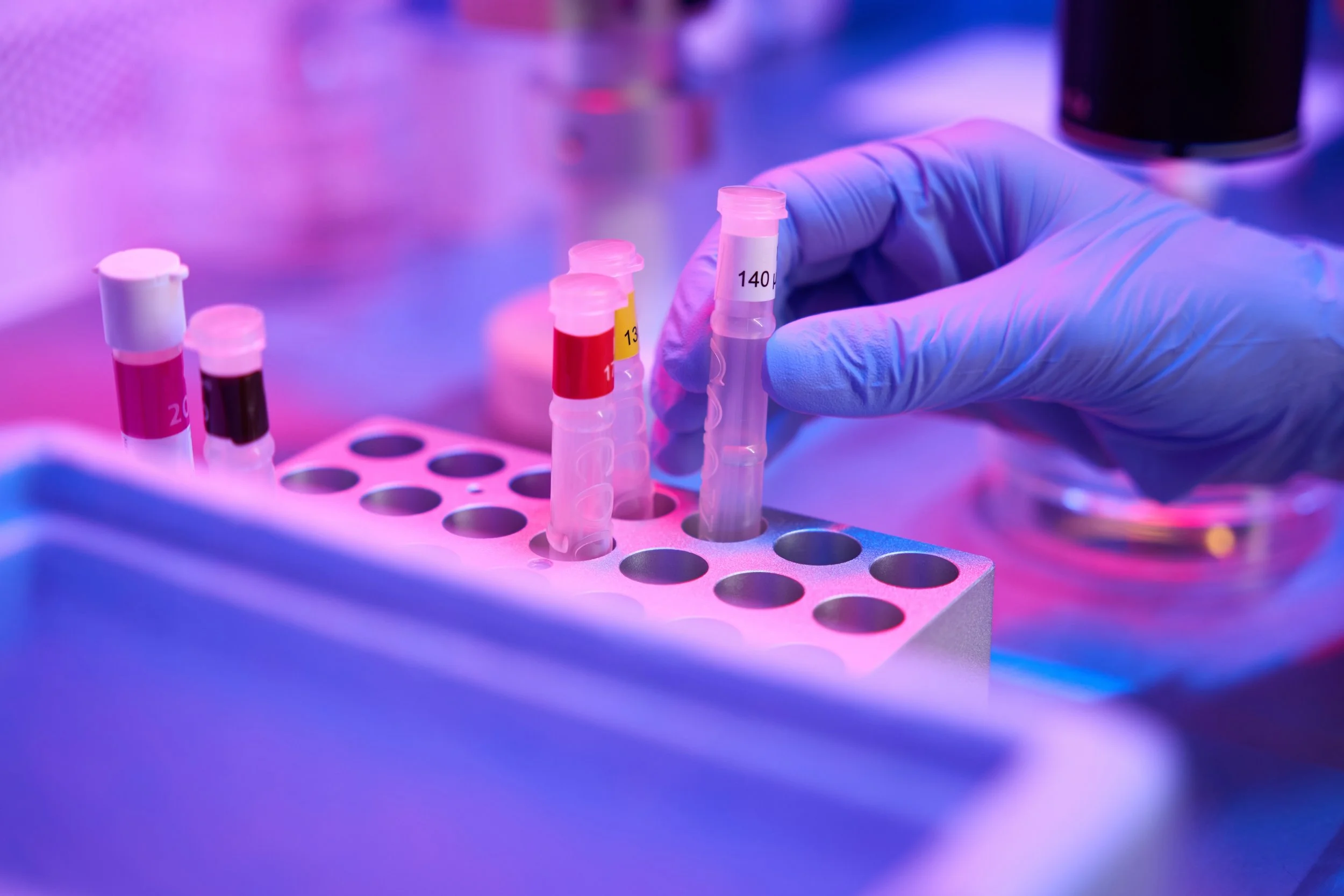

“Egg freezing isn’t about pausing time - it’s about giving yourself options, confidence, and the freedom to shape your future on your own terms.”
Egg Freezing
Empowering your future fertility with evidence-based, personalised care
Egg freezing is a remarkable advance in reproductive science that allows you to preserve your eggs at their current age, giving you more time, more options, and more control over your reproductive future.
Whether you are planning a family later, focusing on your career or personal life, navigating medical treatment, or simply wanting reproductive autonomy, egg freezing can be an empowering choice.
Dr Rebecca Mackenzie-Proctor is a CREI trained Fertility Specialist and Gynaecologist, who aims to provide clarity, science, and compassionate guidance at every step of the decision-making process.
Why Women Choose Egg Freezing
Egg freezing may be beneficial when:
Age-related fertility decline
Egg number (ovarian reserve) and egg quality decline with age, particularly after 35. Freezing eggs earlier preserves younger, healthier eggs.
Delaying pregnancy for personal or professional reasons
Women may wish to delay family building without compromising future fertility.
Medical reasons, including:
Endometriosis
Diminished ovarian reserve
BRCA mutation carriers
Before cancer therapy (chemotherapy, radiotherapy)
Autoimmune disease
Prior ovarian surgery
Uncertain reproductive plans
Egg freezing provides reassurance and reproductive choice.
How Egg Freezing Works: Step-by-Step
The process parallels an IVF cycle up until the egg retrieval, but the eggs are frozen rather than fertilised.
Pre-treatment Consultation
A comprehensive assessment includes:
Ovarian reserve testing (AMH, ultrasound)
Review of menstrual health and gynecological history
Lifestyle optimisation and nutritional guidance
Discussion of realistic egg number goals
Explanation of success rates and expected outcomes
Ovarian Stimulation
The process take approximately 14 days, it involves self-administering hormone injections to stimulate multiple follicles to develop.
Monitoring includes 1-2 ultrasounds over 10–12 days to individualise dosing and prevent overstimulation. Blood tests are sometimes used to assess response.
Egg Collection (Oocyte Retrieval)
Performed under light sedation
15–20 minutes
Ultrasound-guided transvaginal aspiration of follicles
Minimal downtime (most patients resume normal activity within 24 hours)
Vitrification (Flash-Freezing) of Eggs
Vitrification rapidly cools eggs to prevent ice crystal formation, significantly improving post-thaw survival.
Storage
Eggs are stored securely in liquid nitrogen at –196°C.
They remain biologically stable for many years. There is a yearly storage fee.
Success Rates: What You Need to Know
Success depends on:
Your age at freezing (the most important factor)
Number of mature eggs frozen
Egg quality and ovarian reserve
Age and outcome example ranges
(Using data from large observational cohorts):
Freezing 10–15 eggs at age <35 gives a high chance of at least one live birth
Freezing >20 eggs at age 38–40 increases cumulative odds but cannot fully offset age-related decline
Live birth success per thawed egg declines after 35
We discuss your realistic likelihoods using age-specific and egg-number–specific models
Risks and Considerations
Although generally safe, risks include:
Short-term risks
Discomfort or bloating from ovarian stimulation
Bruising at injection sites
Egg collection side effects (rare bleeding or infection)
Ovarian Hyperstimulation Syndrome (OHSS)
Rare with modern protocols and tailored dosing. As a CREI trained subspecialist, I prioritise protocols that minimise OHSS risk.
Long-term
There is no evidence that egg freezing impacts long-term fertility or ovarian function.
What to Expect After Freezing
A detailed summary of results and egg number
Planning for future cycles if more eggs may be beneficial
Options to integrate with IVF or partner conception later
Annual storage arrangements and reviews
Who May Not Benefit
Egg freezing may be less effective for individuals with:
significantly diminished ovarian reserve
severe ovarian damage
advanced reproductive age (typically >42)
In these cases, alternative family-building pathways (IVF with partner/donor sperm, embryo freezing, donor eggs) may offer higher success.
Diet, Lifestyle & Hormonal Health Support
Optimising health before egg freezing improves ovarian response and egg quality.
Evidence-based strategies include:
Mediterranean-style diet improves reproductive outcomes
Adequate protein and healthy fats for hormone production
Antioxidant-rich foods to support oocyte health
Limiting alcohol and smoking
Exercise that supports metabolic and hormonal balance
Supplements such as CoQ10 or vitamin D when indicated
I provide personalised guidance based on your health, ovarian reserve, metabolic profile, and fertility goals.