Understanding Female Fertility
Learning about female fertility is an essential part of navigating your reproductive journey with confidence. Your menstrual cycle, ovarian reserve, egg quality, and overall health all work together to influence your chances of conceiving - and each person’s fertility story is unique. By recognising how these factors interact, you can make informed decisions, identify potential challenges early, and feel more in control of your path forward. I’m here to help you understand what’s happening in your body, what your options are, and how we can support your fertility with compassionate, evidence-based care tailored to your individual needs.
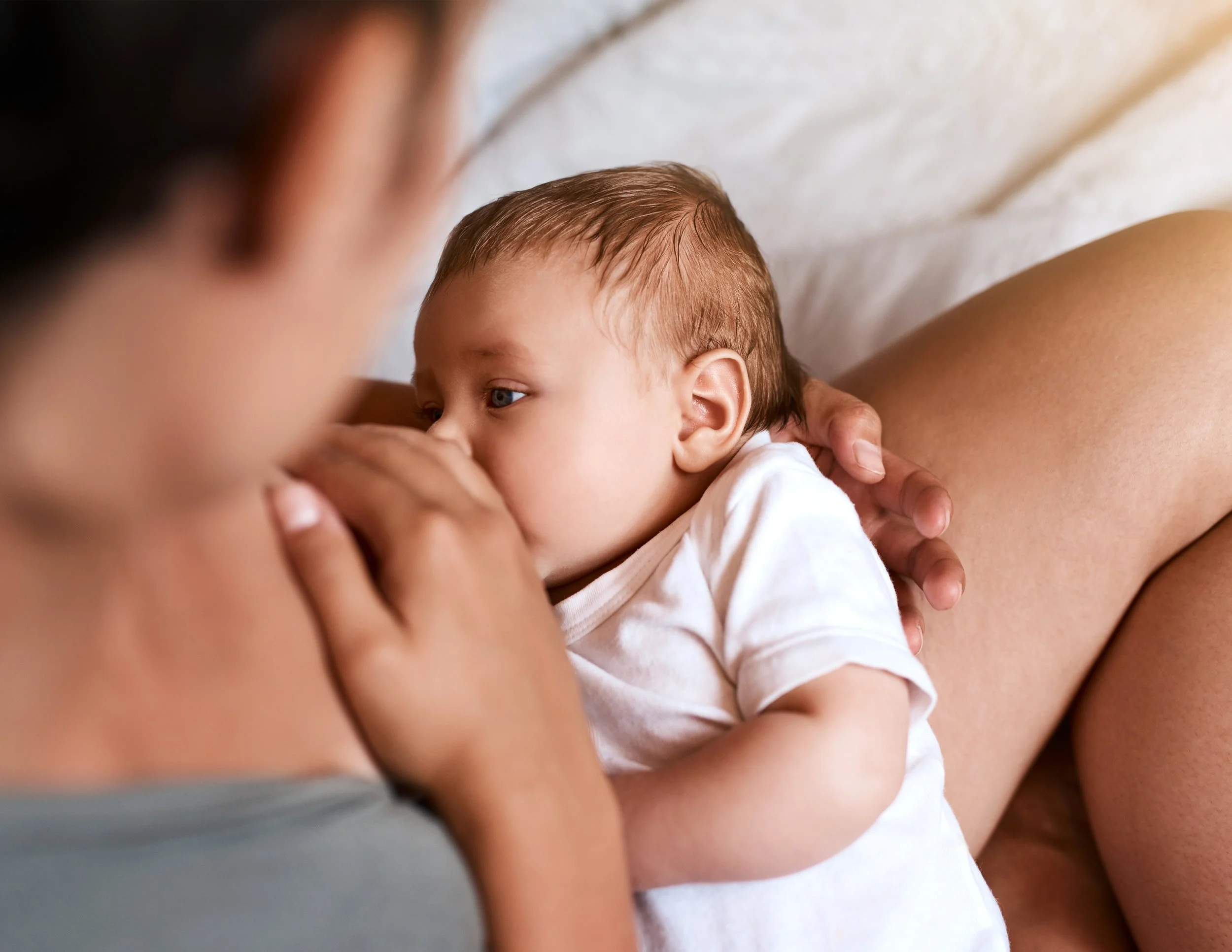
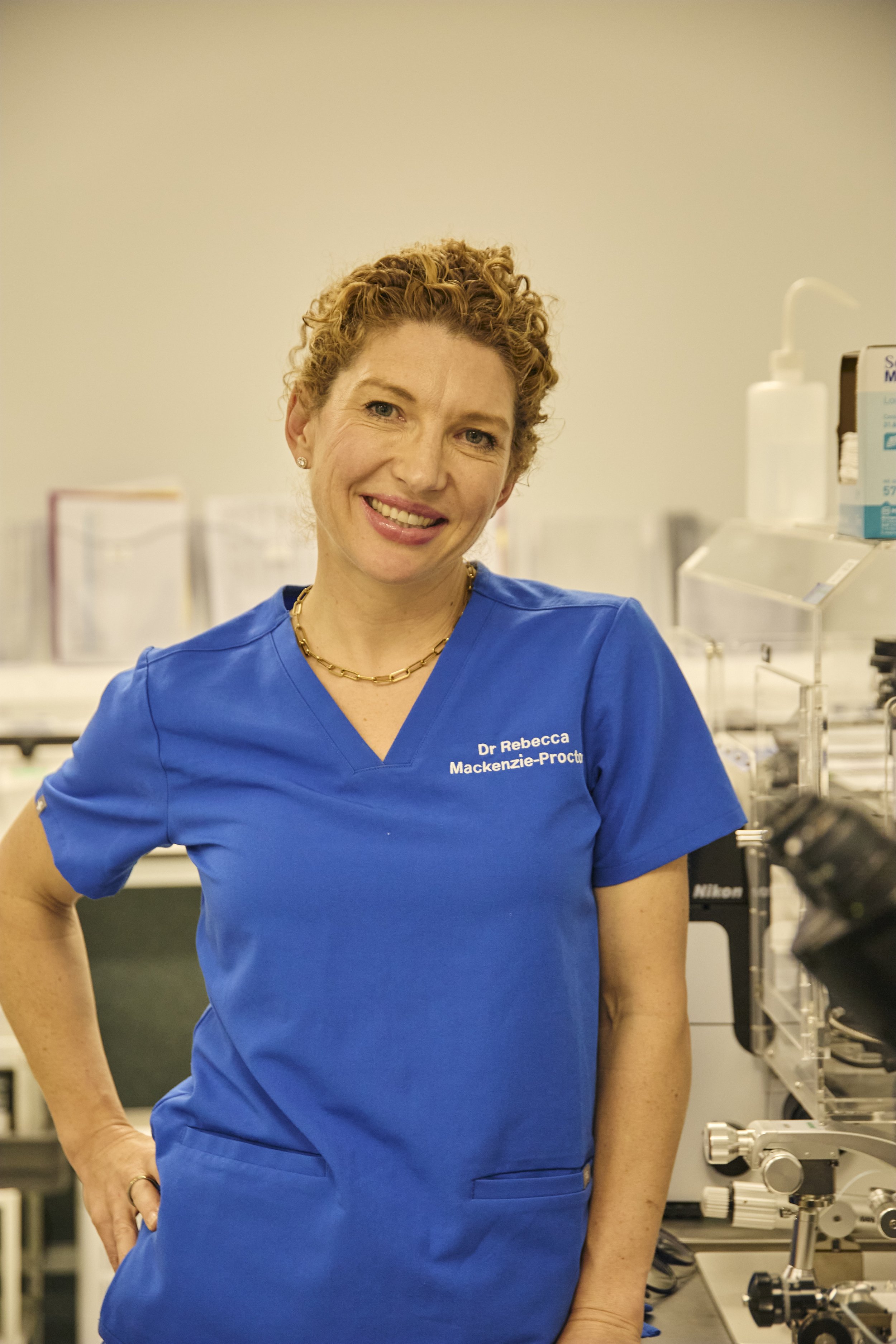
“Understanding your fertility isn’t about having all the answers. It’s about nurturing yourself with knowledge, compassion, and hope as you move toward the future you dream of.”
How the Female Reproductive System Works
Female fertility depends on a coordinated system involving:
Hormonal signalling between the brain and ovaries
Egg development and ovulation
Fallopian tube function
A receptive uterine lining
Healthy cervical mucus
Any disruption can impact the ability to conceive.
The Menstrual Cycle and Ovulation
Each month, the ovaries recruit follicles under the influence of FSH. At mid-cycle:
A surge in LH triggers ovulation
The egg is released and captured by the fimbrial end of the tube
Fertilisation occurs in the tube
The embryo travels to the uterus and must implant into a healthy lining
Ovulation Disorder (25% of Female Infertility)
Common causes:
PCOS - androgen excess, insulin resistance, anovulation
Hypothalamic dysfunction - stress, low weight, excessive exercise
POI - early depletion of ovarian follicles
Thyroid or prolactin disorders - impair hormonal balance
Ovulation can be evaluated with ovulation kits, blood tests, or ultrasound.
Tubal Factors
The fallopian tubes are essential for egg pick-up, fertilisation, and embryo transport. Tubal issues can occur due to:
Pelvic inflammatory disease (e.g: chlamydia, gonorrhoea)
Endometriosis
Prior pelvic surgery
Hydrosalpinx
Testing includes:
HSG - Hysterosalpingogram
HyCoSy - Hysterosalpingo-Contrast Sonography
Laparoscopy
Uterine Factors
A healthy uterine cavity is critical for implantation. Common uterine causes of infertility:
Fibroids (especially submucosal)
Polyps
Congenital anomalies (septate, bicornuate uterus)
Asherman’s syndrome (intrauterine adhesions)
Chronic endometritis
Thin endometrium
Assessment may include ultrasound, saline infusion sonography, hysteroscopy, or MRI.
Hormonal Factors
Disruptions in the hormonal axis can affect ovulation and implantation.
Key conditions include:
Hypothyroidism and hyperthyroidism
Hyperprolactinaemia
Insulin resistance
Luteal phase insufficiency
Age and Female Fertility
Egg quantity and quality decline with age.
Peak fertility occurs in the 20s
Decline accelerates after 35
By 40, natural conception per cycle is <5%
Aneuploidy increases with age, reducing fertilisation and increasing miscarriage risk. Egg freezing offers an option to preserve fertility potential.
Medical Conditions Affecting Female Fertility
Endometriosis
PCOS
Thyroid disease
Diabetes
Autoimmune disease
Prior chemotherapy or radiotherapy
Fertility preservation should be discussed prior to cancer treatment.
When to Seek Fertility Assessment
You should consider seeing a fertility specialist if:
<35 and trying for >12 months
≥35 and trying for >6 months
Irregular or absent periods
Known PCOS, endometriosis, thyroid disease
Past pelvic surgery or infection
Considering egg freezing or donor conception
Early assessment allows:
Timely diagnosis
Targeted treatments
The best chance of achieving pregnancy
Planning around age-related fertility changes
Fertility is a shared process - influenced by the health, hormones, genetics, and lifestyle of both partners.
Most fertility issues can be diagnosed, supported, or treated effectively with modern reproductive medicine.
Dr Rebecca Mackenzie-Proctor offers:
Comprehensive fertility assessments
Preconception optimisation programs
Female and male fertility evaluations
Ovulation tracking and cycle monitoring
Sperm optimisation programs
Egg freezing
IVF, ICSI, IUI
Donor services
Compassionate, personalised guidance at every stage
If you’re preparing for pregnancy or navigating fertility concerns, we’re here to support your next steps.