Natural Conception
Natural conception is a beautifully intricate process, relying on timing, hormonal balance, egg and sperm quality, and overall reproductive health. Many factors - including cycle regularity, lifestyle, stress, and underlying conditions can influence how easily pregnancy occurs, and many can be supported with the right care. I’m here to help you understand your fertility, identify any challenges, and guide you with practical, evidence-based strategies to create the best possible conditions for conception to occur naturally.
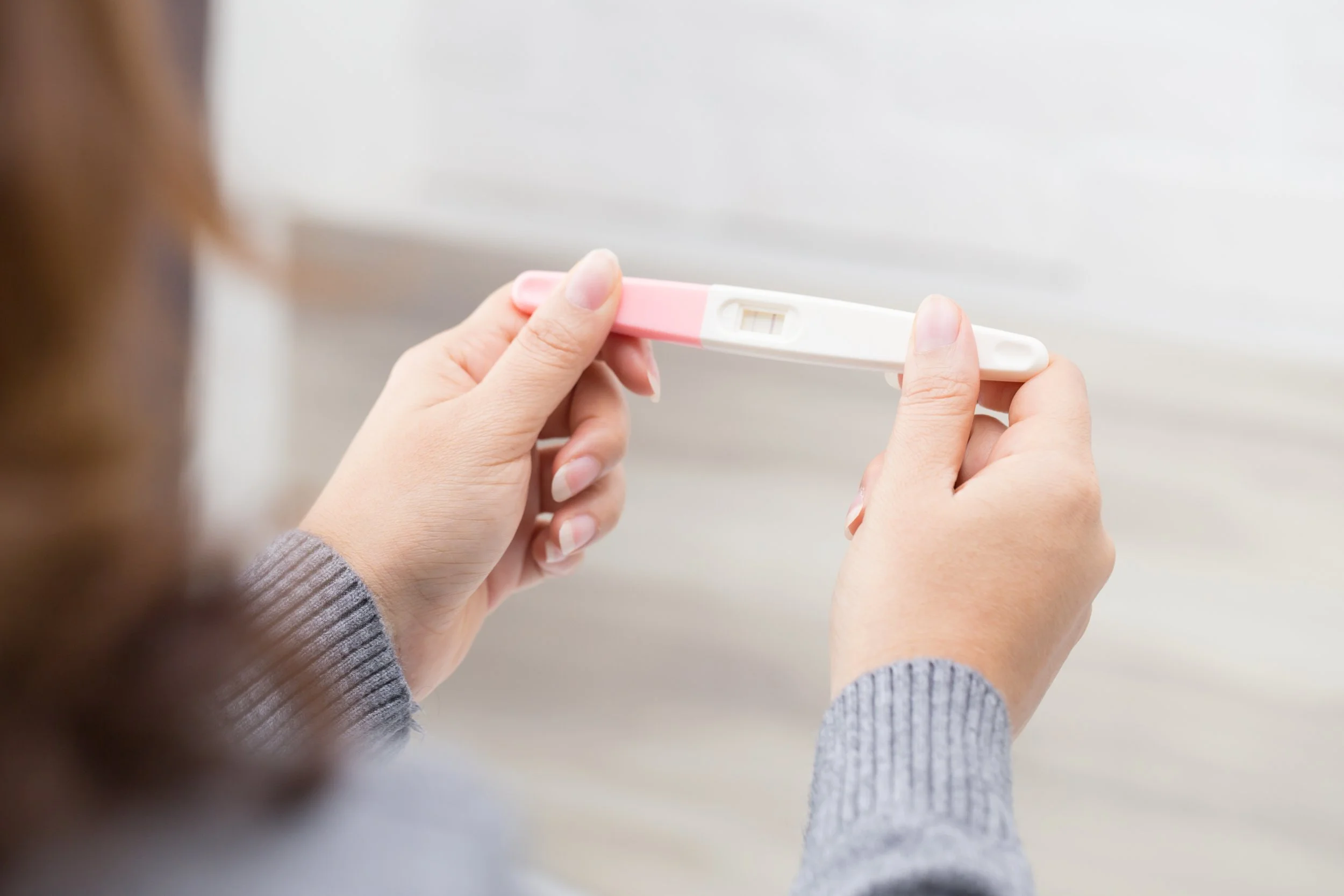
“Gaining insight into natural conception helps you feel grounded, informed, and gently supported on your path to building the family you dream of.”
Maximising Your Chances Naturally
Trying to conceive without assisted reproductive technology
Dr Rebecca Mackenzie-Proctor believes that the journey to parenthood begins with optimising nature. Although assisted treatments like IVF or IUI are essential for many, a large number of individuals and couples can achieve pregnancy naturally when the right conditions align. Dr Rebecca supports you with the complete scientific picture - lifestyle, timing, fertility physiology, investigations and realistic expectations.
What is Natural Conception?
Natural conception refers to pregnancy achieved without assisted reproductive technology. It depends on coordinated timing between ovulation, sperm health, fertilisation, and implantation. Even among patients who have previously undergone fertility treatment, natural conception remains possible; recent data show that up to 20% of women who conceived via IVF subsequently conceived naturally.
Dr Rebecca Mackenzie-Proctor’s goal is to optimise every element of this process - safely, holistically, and scientifically.
The Natural Conception Process - Key Steps
Pre-conception assessment & optimisation
Review of both partners’ health, lifestyle, and reproductive history
Baseline tests: hormone profile, semen analysis, tubal & uterine screening if indicated
Nutritional, metabolic and lifestyle optimisation (weight, exercise, smoking, alcohol, stress)
Timing the Fertile Window
Correct timing is the single most effective strategy for improving natural conception rates.
Tools for identifying ovulation include:
Urinary LH ovulation predictor kits
Cervical mucus monitoring
Ultrasound monitoring
Digital cycle tracking
Basal body temperature charting (less reliable as a stand-alone tool)
Optimising ovulation and egg quality
Ensure regular ovulation: for example ensure no untreated anovulation (PCOS, thyroid, hyperprolactinaemia)
Lifestyle factors impact egg and sperm quality: nutrition, antioxidant status, avoiding toxic exposures.
Optimising sperm quality and fertilisation environment
Male partner: semen quality, possible DNA fragmentation, lifestyle optimisation (weight, smoking, toxins)
Female partner: uterine environment, cervical factors, tubal patency, endometrial receptivity and timing.
Early implantation and pregnancy support
Healthy implantation requires:
A receptive endometrium
Adequate progesterone
No untreated uterine pathology (polyps, fibroids)
Low inflammatory burden
Good general health
We may recommend targeted investigations if indicated (e.g., after recurrent miscarriage).
Once conception is achieved, early pregnancy support via folate, prenatal vitamins, avoidance of harmful exposures.
Who are good candidates for attempting natural conception?
Natural conception is appropriate for individuals or couples who:
Are younger (ideally < 35 years) with good ovarian reserve and regular ovulation
Have no significant tubal disease, severe male factor infertility or known genetic issues
Prefer to attempt conception with minimal intervention before moving to assisted options
Are willing to optimise lifestyle, timing and fertility conditions
It may be less appropriate when:
Tubal obstruction or severe tubal disease is present
Severe male factor infertility (very low sperm count/motility/morphology)
Known diminished ovarian reserve in older age (e.g > 40) where time is critical
Known chromosomal/ genetic issues requiring ART or PGT
Expected natural conception rates:
Up to 80% of couples conceive within 12 months if female is under 35
Fertility declines significantly after 37
Monthly natural conception rates drop from 20-25% in the early 30s to <5% in the early 40s
I provide honest, personalised guidance about the appropriate timeframe to keep trying naturally before escalating care.
Lifestyle Strategies to Improve Natural Fertility
Evidence-based interventions include:
Maintaining a healthy BMI (both underweight and obesity reduce fertility)
Adopting a Mediterranean-style diet rich in whole foods, omega-3s, antioxidants
Reducing sugar and ultra-processed foods
Moderate, regular exercise
Reducing stress, improving sleep
Avoiding smoking, excessive alcohol and recreational drugs
Limiting environmental toxins (plastics/BPA, pesticides, heat exposure, solvents)
These strategies improve both female and male fertility and overall reproductive outcomes.
Key Considerations & Realistic Expectations
Considerations:
Time is a key factor - the chance of natural conception decreases with advancing age and diminished ovarian reserve
Underlying diagnoses (tubal disease, male factor, endometriosis, uterine anomalies) reduce the likelihood of success naturally
Lifestyle modifications take effect over months; patience and consistency matter
Psychological and emotional dimensions: trying to conceive naturally can be emotionally taxing, especially if delayed
Ongoing monitoring: if no conception after 6-12 months (or sooner in older age), moving to assisted options should be discussed
Setting realistic expectations:
Many “fertile” couples conceive within 3–6 months, but up to 12 months is considered “normal” for many settings
For women > 35 yrs, or with identified infertility factors, earlier referral to fertility specialist may be prudent
Natural conception is not guaranteed — informed decision-making and contingency planning (e.g., timed intercourse, ovulation induction, IUI) may be needed.
Consider early fertility specialist evaluation if risk factors present (age > 35, known fertility issues)
Why Choose Dr Rebecca Mackenzie-Proctor for Natural Conception Support?
Expert fertility assessment – we offer a full diagnostic work-up tailored to you and your partner
Holistic optimisation plan – combining nutrition, lifestyle, timing, medical evaluation and emotional support
Smooth transition to assisted fertility – if natural conception does not occur within a clinically appropriate timeframe, we provide a seamless transition to ovulation induction, IUI or IVF
Compassionate care – I understand the emotional journey and provide warm, supportive care with transparent communication.