Menopause & Peri-Menopause
Menopause and peri-menopause are natural transitions, but the hormonal and physical changes can feel confusing or disruptive. Understanding these shifts is an important step toward maintaining comfort, health, and vitality. Through careful assessment, personalised guidance, and evidence-based management, we can address symptoms such as hot flashes, sleep changes, mood shifts, and cycle changes with clarity and reassurance. I’m here to help you understand your body, explore effective strategies, and create a tailored plan that supports balance, confidence, and wellbeing throughout this transition.
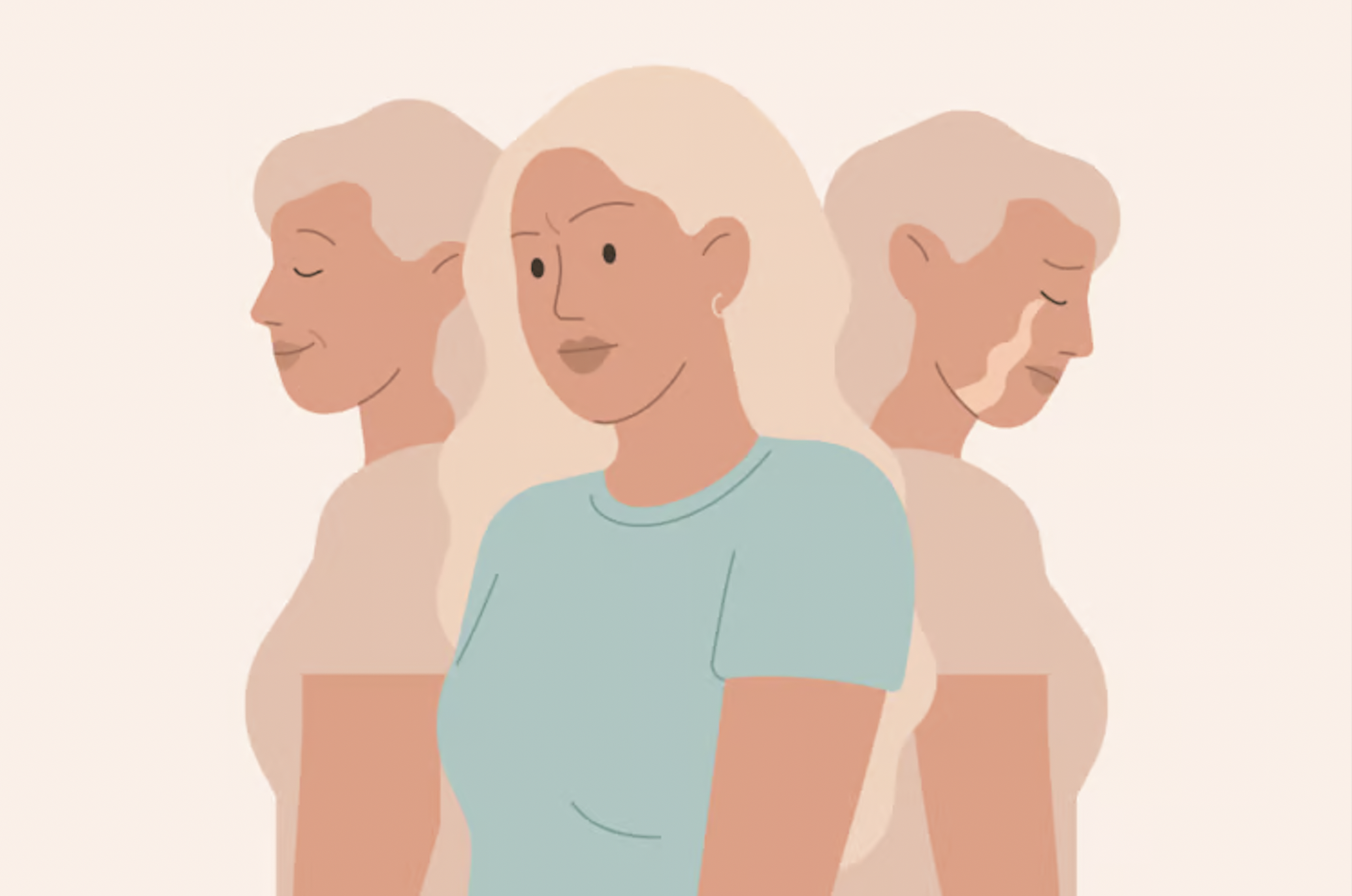

“Understanding menopause and peri-menopause helps you take control of your health, manage symptoms, and feel supported and confident in your body.”
Menopause & Peri-Menopause
Menopause is a complex hormonal transition that affects physical health, emotional wellbeing, cognitive function, sexual health and long-term disease risk. With the right care, women can navigate this stage confidently and improve their quality of life for years to come.
Dr Rebecca Mackenzie-Proctor provides evidence-based, personalised menopause and perimenopause management with a strong focus on hormonal expertise, whole-person wellbeing, and proactive prevention of long-term consequences such as osteoporosis, heart disease and metabolic dysfunction.
Understanding the Menopause Transition
What is Perimenopause?
Perimenopause refers to the years leading up to menopause when hormonal patterns become erratic. Typical changes include:
Change in menstrual cycle - shorter or prolonged..
Heavy or unpredictable bleeding
New-onset PMS-like emotional sensitivity
Sleep disturbance
Hot flushes & night sweats (may be intermittent)
Mood volatility (“emotional whiplash”)
Increasing anxiety
Breast tenderness
Migraines or worsening headaches
Hormone levels are fluctuating, not consistently low. This makes perimenopause physiologically unique and requires tailored treatment.
What is Menopause?
Menopause is defined as 12 months without a period, marking the end of ovarian egg release and significant reduction in oestrogen and progesterone production.
Common symptoms:
Persistent hot flushes
Night sweats
Difficulty sleeping
Vaginal dryness and painful sex
Recurrent UTIs
Brain fog and memory changes
Low libido
Fatigue and joint pains
Weight redistribution (central adiposity)
Why These Symptoms Occur
Oestrogen Decline
Affects:
Thermoregulation → hot flushes
Vaginal and bladder tissues → dryness, UTIs
Skin collagen → dryness, wrinkles, reduced elasticity
Bone turnover → rapid bone loss
Lipid profile → increased LDL, reduced HDL
Brain function → cognition, mood regulation
Progesterone Decline
Contributes to:
Sleep difficulty
Increased anxiety
PMS-like irritability
Heavier, irregular bleeding (late perimenopause)
Androgen Changes
Gradual testosterone decline
Reduction in libido
Reduced muscle mass and strength
Lower energy and vitality
Comprehensive Menopause Assessment
Dr Mackenzie-Proctor provides a detailed evaluation that includes:
Symptom Review
Vasomotor symptoms (hot flushes, sweats)
Mood changes
Sleep quality
Cognitive changes
Urogenital symptoms
Sexual function
Bleeding pattern
Weight, energy and metabolic profile
Medical History & Risk Assessment
Cardiovascular risk
Thrombosis history
Breast cancer risk
Migraine profile
Bone health history (fractures, family history)
Diagnostic Tests (when appropriate)
Fasting lipids
Fasting glucose or OGTT
Thyroid function
Vitamin D
Bone mineral density (DEXA)
Pelvic ultrasound for abnormal bleeding
Blood tests are not routinely needed to diagnose menopause but may guide tailored management.
Personalised Hormone Therapy (HRT)
HRT is the most effective treatment for hot flushes, night sweats, vaginal dryness, mood symptoms, sleep disturbance and early bone density loss.
Types of HRT
1. Oestrogen Therapy
Patches (steady delivery, lowest clot risk)
Gels (flexible dosing)
Tablets (use based on individual risk profile)
Progesterone Therapy
If a woman has a uterus, progesterone is required for endometrial protection:
Oral micronised progesterone (also helpful for sleep)
Synthetic progesterone (for specific indications)
Mirena IUD (excellent for heavy bleeding + endometrial protection)
Testosterone
Used selectively for:
Low libido
Low energy
Poor sexual satisfaction
Reduced muscle strength
Prescribed based on symptoms and blood levels.
Vaginal (Local) Oestrogen
Low-dose local oestrogen treats:
Vaginal dryness
Painful sex
Recurrent UTIs
Bladder urgency
Reduced pelvic floor health
Safe for most women and can be used long-term.
Benefits of HRT
75-90% reduction in vasomotor symptoms
Protects bone density
Helps prevent osteoporosis
Improves sleep quality
Supports mood and cognitive function
Enhances vaginal and urinary health
Reduces risk of type 2 diabetes
Possible cardioprotective effect when started early (within 10 years of menopause)*
*Evidence supports the "timing hypothesis" where starting HRT early confers the most benefit and lowest risk.
Non-Hormonal Treatments
For women who cannot or choose not to use HRT:
SSRIs/SNRIs (venlafaxine, paroxetine)
Gabapentin
Clonidine
Cognitive behavioural therapy
Mind–body therapies (mindfulness, yoga, acupuncture)
Lifestyle modifications (exercise, sleep, nutrition)
Complementary supplements (evidence-supported options discussed individually)
Diet and nutritional support
Sexual Health & Genitourinary Syndrome of Menopause (GSM)
Symptoms include:
Vaginal dryness
Recurrent UTIs
Painful intercourse
Reduced natural lubrication
Burning, itching
Reduced sexual satisfaction
Management options:
Vaginal oestrogen
Vaginal moisturisers and lubricants
Pelvic floor physiotherapy
Testosterone for sexual function (when indicated)
Holistic care for libido and relationship wellbeing
GSM is progressive without treatment, and early intervention improves long-term comfort and sexual wellbeing.
Mental Health, Mood & Cognitive Function
Perimenopause and menopause are associated with:
Increased anxiety
Mood swings
Irritability
Low mood
Difficulty concentrating
Brain fog
Contributing factors include hormonal fluctuations, sleep disruption, and life-stage stressors.
Management may include:
HRT (very effective in perimenopause)
SSRIs/SNRIs when appropriate
Sleep optimisation
Exercise and nutrition for mental clarity
Psychological support
Iron/B12/thyroid assessment where relevant
Sleep & Circadian Rhythm Support
Oestrogen and progesterone influence sleep architecture. Support may include:
Progesterone at night
Sleep hygiene strategies
CBT-I
Magnesium and melatonin (where appropriate)
Treatment of night sweats/hot flushes
Weight, Body Composition & Metabolism
Menopause is associated with:
Increased central adiposity
Reduced muscle mass
Insulin resistance
Slower metabolic rate
Management includes:
Resistance training (key evidence-based strategy)
High-quality protein intake
Mediterranean-style diet
Targeted metabolic screening
Addressing sleep and stress (critical for appetite regulation)
HRT can help prevent central fat accumulation
Bone Health & Osteoporosis Prevention
The first 5 years after menopause can result in up to 10% bone loss.
Assessment and prevention include:
DEXA scan
Calcium and vitamin D optimisation
Weight-bearing + resistance exercise
HRT (strongest preventive strategy in early menopause)
Bisphosphonates or denosumab where indicated
Heart Health & Cardiovascular Prevention
Oestrogen decline increases risk of:
High cholesterol
Hypertension
Atherosclerosis
Type 2 diabetes
Care includes:
Lipid screening
Blood pressure monitoring
Lifestyle optimisation
Consideration of HRT if within the “cardioprotective window”
Perimenopause vs Menopause - Treatment Philosophy
Perimenopause
Hormonal stabilisation is the focus.
Treatment often uses:
Combined hormonal therapy
Progesterone for sleep/mood
Mirena for bleeding control
Menopause
Hormonal replacement and symptom control are central.
Treatment focuses on:
Oestrogen + progesterone (if uterus present)
Vaginal health
Bone, heart and metabolic protection
When to Seek Urgent Care
Heavy bleeding causing dizziness or weakness
Postmenopausal bleeding
Chest pain
Severe mood changes or suicidal thoughts
Nutrition Support in Peri & Menopause
Nutrition plays a central role in managing symptoms, supporting metabolic health, protecting bone density, stabilising mood and promoting long-term wellbeing during the menopause transition. As both a fertility specialist and qualified dietitian, Dr Rebecca Mackenzie-Proctor integrates personalised nutrition guidance into menopause care to optimise hormonal balance and overall health.
Why Nutrition Matters During Menopause
Hormonal shifts impact multiple systems that respond directly to dietary choices:
Declining oestrogen → changes cholesterol, insulin sensitivity, bone turnover, and body fat distribution
Lower progesterone → fluid retention, sleep disturbance, inflammation
Reduced muscle mass → lowered metabolism and fatigue
Changes in gut microbiome → bloating, food sensitivities, metabolic changes
Evidence shows that targeted nutritional patterns can improve vasomotor symptoms, maintain healthy weight, stabilise mood and protect long-term cardiovascular and bone health.
Nutrition for Midlife Hormonal Health
Mediterranean-Style Eating Pattern (Gold-Standard Evidence)
A diet high in:
Colourful vegetables and fruits
Extra virgin olive oil
Fatty fish (salmon, sardines, trout)
Whole grains
Nuts and legumes
Herbs and spices
Moderate dairy
Benefits:
Reduced vasomotor symptoms
Improved cardiovascular health
Better lipid profile
Anti-inflammatory effect
Support for gut microbiome
Weight maintenance
Supporting Metabolic & Insulin Health
After menopause, insulin sensitivity decreases.
Effective strategies include:
Adequate protein (1.2-1.5 g/kg/day)
Regular resistance training
Low-glycaemic index carbohydrates
Fibre-rich foods (25–30 g/day)
Balanced meals with protein + fat + complex carbs
Helps reduce:
Abdominal fat gain
Post-meal blood sugar spikes
Energy crashes
Sugar cravings
Protein for Muscle, Metabolism & Weight
Muscle mass declines by ~1% per year after menopause without intervention.
Recommendations:
Protein at each meal (20-30 g)
Lean meats, fish, eggs
Greek yoghurt, cottage cheese
Lentils, legumes, tofu
Whey or plant protein (if needed)
Protein + strength training is the most effective strategy for maintaining metabolic rate.
Anti-Inflammatory Nutrients
Hormonal changes increase inflammatory pathways that contribute to:
Joint pain
Fatigue
Brain fog
PMS-like symptoms
Focus on:
Omega-3 rich foods: fish, walnuts, chia/flaxseeds
Olive oil as primary fat
Brightly coloured plants (polyphenols)
Spices: turmeric, ginger, cinnamon
Bone Health Nutrition
Accelerated bone loss occurs in the first 5 years post-menopause. Aim for:
Calcium: 1,000-1,300 mg/day (milk, yoghurt, cheese, sardines, almonds, tofu with calcium)
Vitamin D: 800–1,000 IU/day (sun exposure + supplementation when needed)
Magnesium: 300–350 mg/day (nuts, seeds, legumes, whole grains)
Vitamin K2: fermented foods, eggs, hard cheeses
HRT also plays a major role in bone preservation.
Mood & Cognitive Nutrition
Nutritional support for emotional wellbeing includes:
Omega-3 fatty acids (EPA-rich)
Folate-rich foods (greens, legumes, whole grains)
B-vitamins, especially B6 & B12
Regular complex carbohydrate intake for serotonin stability
Reduction of excessive caffeine and alcohol
Stable blood sugar = more stable mood.
Gut Health & Menopause
Oestrogen decline changes gut microbiome composition. Supportive strategies:
Fibre-rich foods
Fermented foods (kefir, yoghurt, kimchi, sauerkraut)
Prebiotic foods (onions, garlic, oats, asparagus)
Hydration and regular movement
Healthy gut → better immunity, mood regulation and hormone metabolism.
Alcohol & Menopause
Alcohol may worsen:
Hot flushes
Night sweats
Sleep disruption
Weight gain
Anxiety
Breast cancer risk
Guidance often focuses on reduction rather than abstinence, with mindful strategies provided individually.
Evidence-Based Supplements
Note: Individualised Use Only
1. Magnesium Glycinate - For sleep, anxiety, muscle tension.
2. Omega-3 (EPA/DHA) - Improves mood, inflammation, cardiovascular health.
3. Vitamin D - Essential for bone, mood, immune health.
4. Calcium - Bone support when dietary intake is insufficient.
5. B6/B12 & Folate - Mood regulation and energy.
6. Phytoestrogens (soy, red clover) - Evidence varies; may reduce mild vasomotor symptoms.
Supplement use is always personalised and medically guided.
Practical Menopause Nutrition Framework
Dr Mackenzie-Proctor commonly uses a simple, effective framework:
Protein + Plants + Healthy Fats at Every Meal - Balances blood sugar & supports metabolism.
30 Plants per Week - Diverse fibres feed the microbiome.
Mediterranean Foundations - Evidence-supported for midlife health.
Reduce Alcohol & Ultra-Processed Foods - Improves energy, sleep and cardiac health.
Hydration + Electrolyte Balance - Supports cognition, energy and hormone metabolism.
Nutrition & Your Personalised Care Plan
Dr Mackenzie-Proctor incorporates nutrition into menopause care to support:
Weight stability
Mood & cognitive function
Energy levels
Metabolic health
Joint health
Bone density
Sleep quality
Cardiovascular health
Symptom reduction
This integrated approach recognises that menopause management is most effective when hormonal therapy, lifestyle support, and medical guidance work together.